

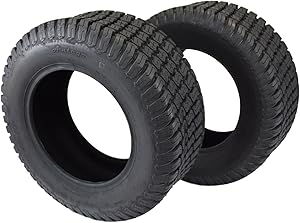
The Ultimate Guide to Tire Load Ratings for Lawn Mowers, Trailers, and ATVs
Understanding tire load ratings is essential for both safety and performance—whether you're mowing, hauling, or off-roading. At Antego Tire & Wheel, we believe informed customers make the best choices, so we’ve created this comprehensive guide to help you decode tire load ranges for lawn mowers, trailers, and ATVs.
✅ What Is a Tire Load Rating?
A tire load rating is the maximum weight a tire can support when properly inflated. It’s listed on the tire sidewall and plays a crucial role in:
-
Preventing tire blowouts
-
Extending tread life
-
Ensuring optimal equipment performance
Using tires that don’t meet your equipment’s weight requirements can lead to premature wear or catastrophic failure.
🔎 Why Load Ratings Matter for You
Whether you're hauling heavy loads on your utility trailer or maintaining acres with your riding mower, knowing your load range keeps your gear operating safely and efficiently.
📊 Tire Load Range Chart
The chart below shows load-range and ply-rating equivalents only. A load-range letter does not specify one universal load capacity or inflation pressure. These depend on the exact tire size and design. Use the tire manufacturer’s specifications and your vehicle or equipment manufacturer’s guidance; never exceed tire or wheel limits.
| Load Range | Ply Rating |
|---|---|
| B | 4 Ply |
| C | 6 Ply |
| D | 8 Ply |
| E | 10 Ply |
🛠️ Note: Always verify the PSI and weight requirements listed in your equipment manual.
🚜 Lawn Mower Tire Ratings Explained
For lawn mowers, the load rating must align with both weight distribution and terrain type.
-
Front tires often carry steering weight, so lighter ratings are okay.
-
Rear tires on zero-turn and garden tractors bear most of the load and need a higher rating—especially with attachments.
Popular lawn mower sizes like 15x6.00-6 or 20x10.00-8 usually fall into Load Range B or C.
🚚 Trailer Tire Load Capacity Tips
Trailer tires are often misunderstood. Many customers mistakenly pair trailer axles with low-rated tires. Don’t make this mistake.
-
Two tires each rated for 1,320 lb have a combined tire capacity of 2,640 lb at their specified conditions. This is not an axle or trailer rating. Check the actual load at each wheel position, the gross axle weight rating, and all tire and wheel limits.
-
Always match or exceed your gross trailer weight (GTW) requirements.
Pro tip: Radial trailer tires tend to carry heavier loads with better tread wear.
🏞️ ATV Tire Load Ratings
ATVs demand a balanced approach—too soft and you risk sidewall failure; too stiff and you lose ride comfort.
-
Trail and recreation ATVs: Load Range B–C
-
Utility ATVs or those pulling trailers: Load Range C–D
Choose a tire with a higher ply rating if you haul cargo or ride rough terrain.
🔧 Final Tips for Choosing the Right Load Range
-
Match the rating to the heaviest load your tire will carry.
-
Don’t exceed max PSI—this inflates danger, not performance.
-
Buy from trusted brands like Antego—we precision engineer tires that meet or exceed industry standards.
📍 Shop Load-Rated Tires from Antego
We offer a full selection of Load Range B, C, and D tires for lawn mowers, trailers, ATVs, and more. Built tough. Shipped fast. Trusted by OEMs nationwide.
👉 Shop Lawn Mower Tires
👉 Shop Trailer Tires
👉 Shop ATV/UTV Tires


